The School of Oriental and African Studies (SOAS), University of London PUBLIC LECTURE
April 15, 2026
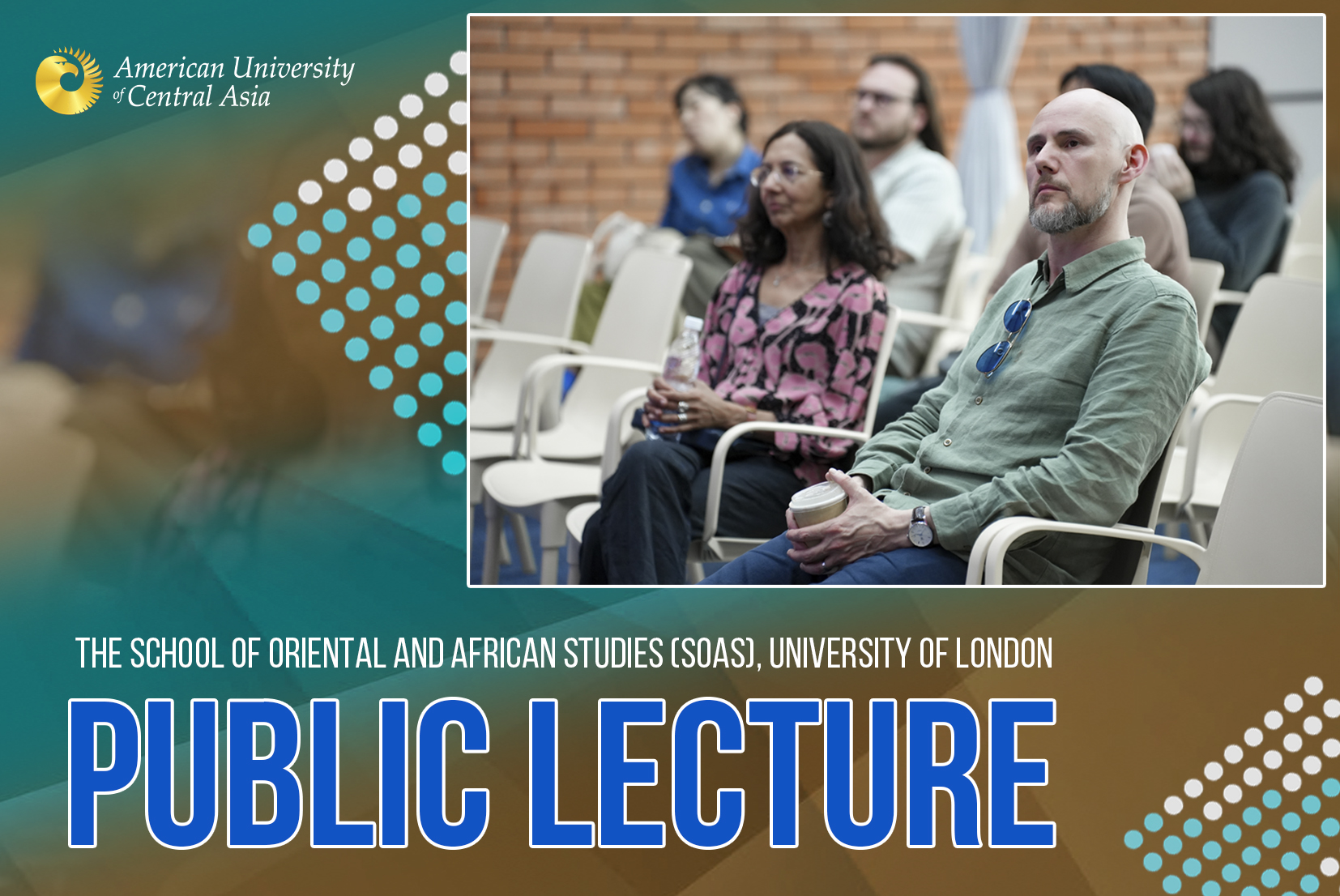
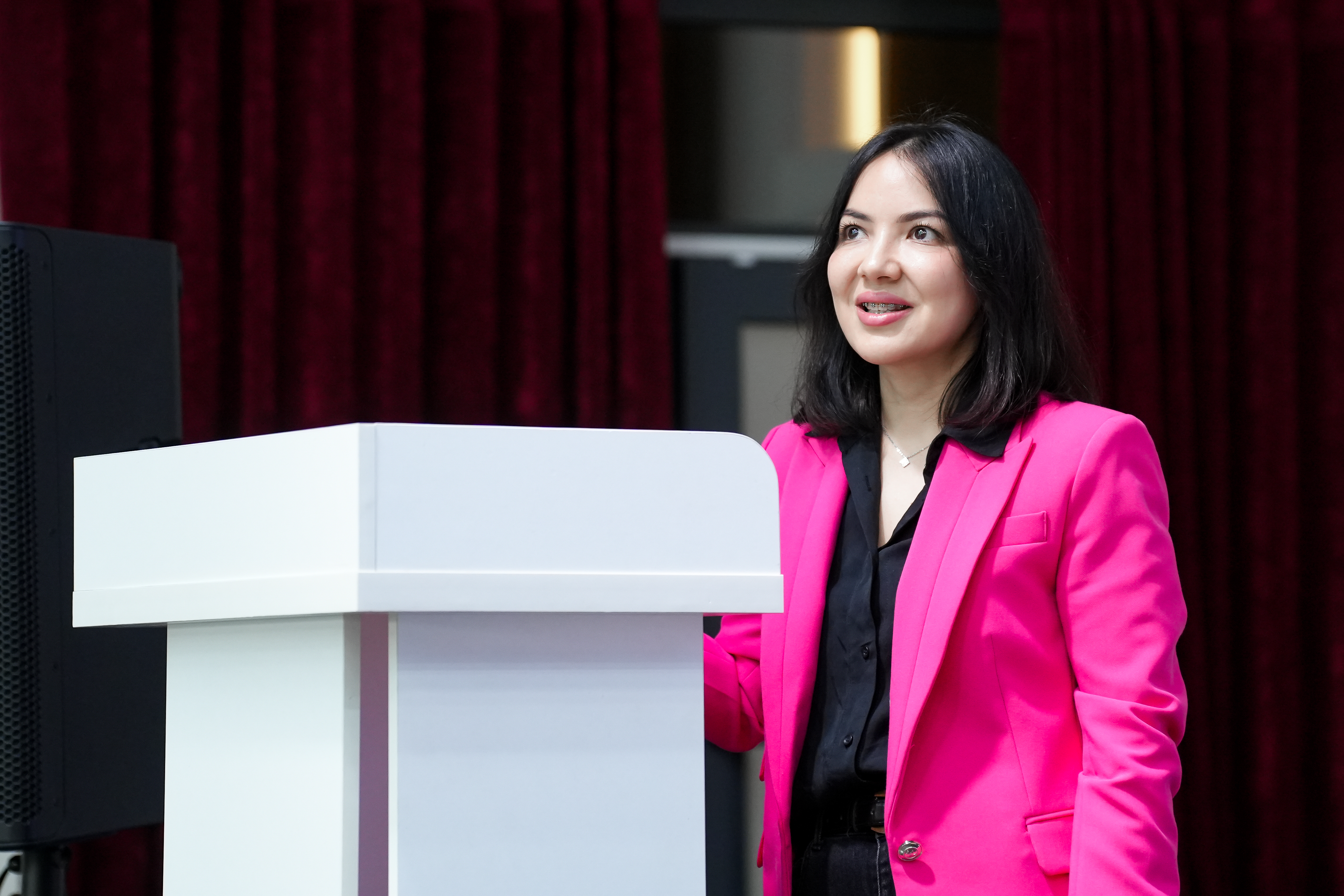
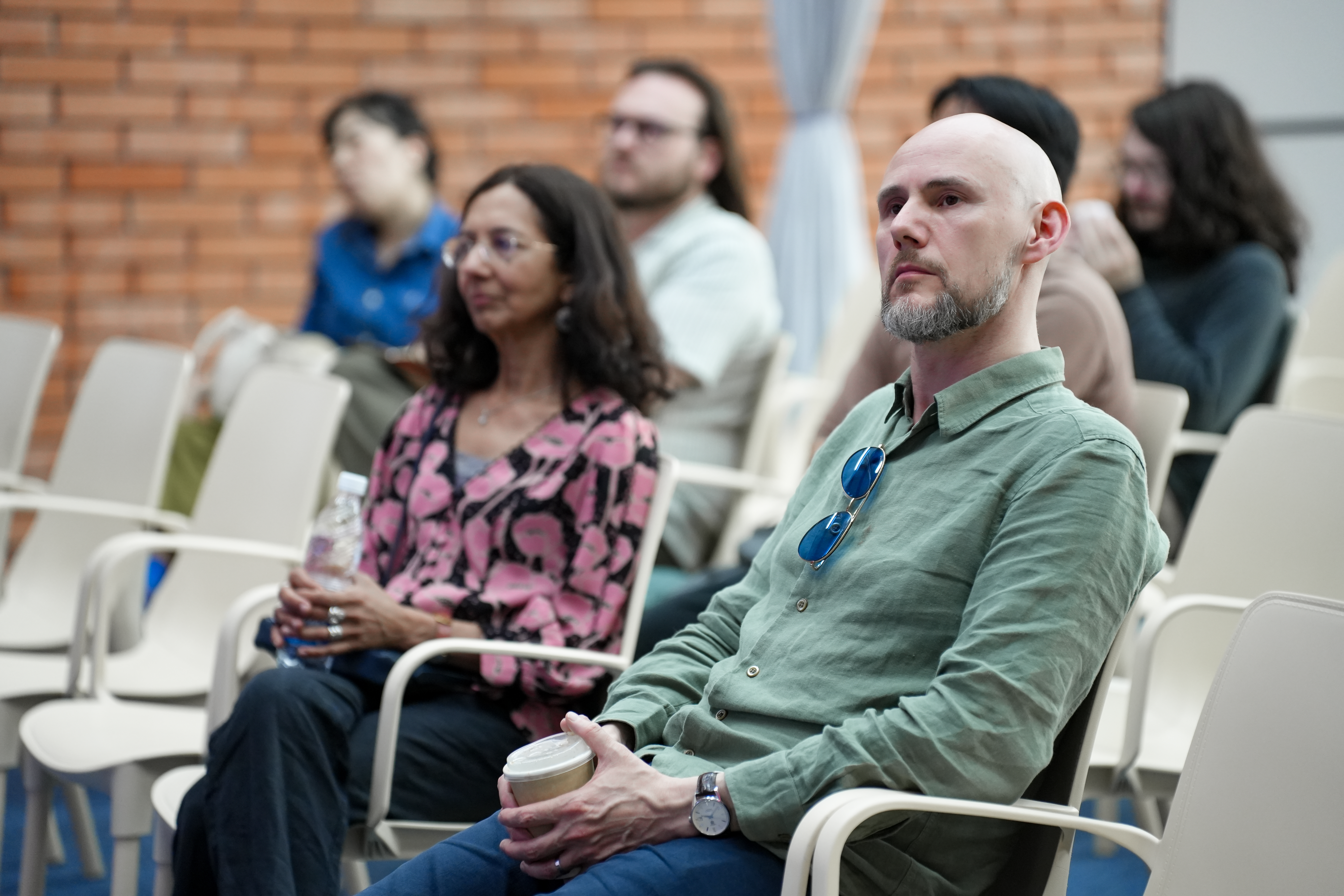
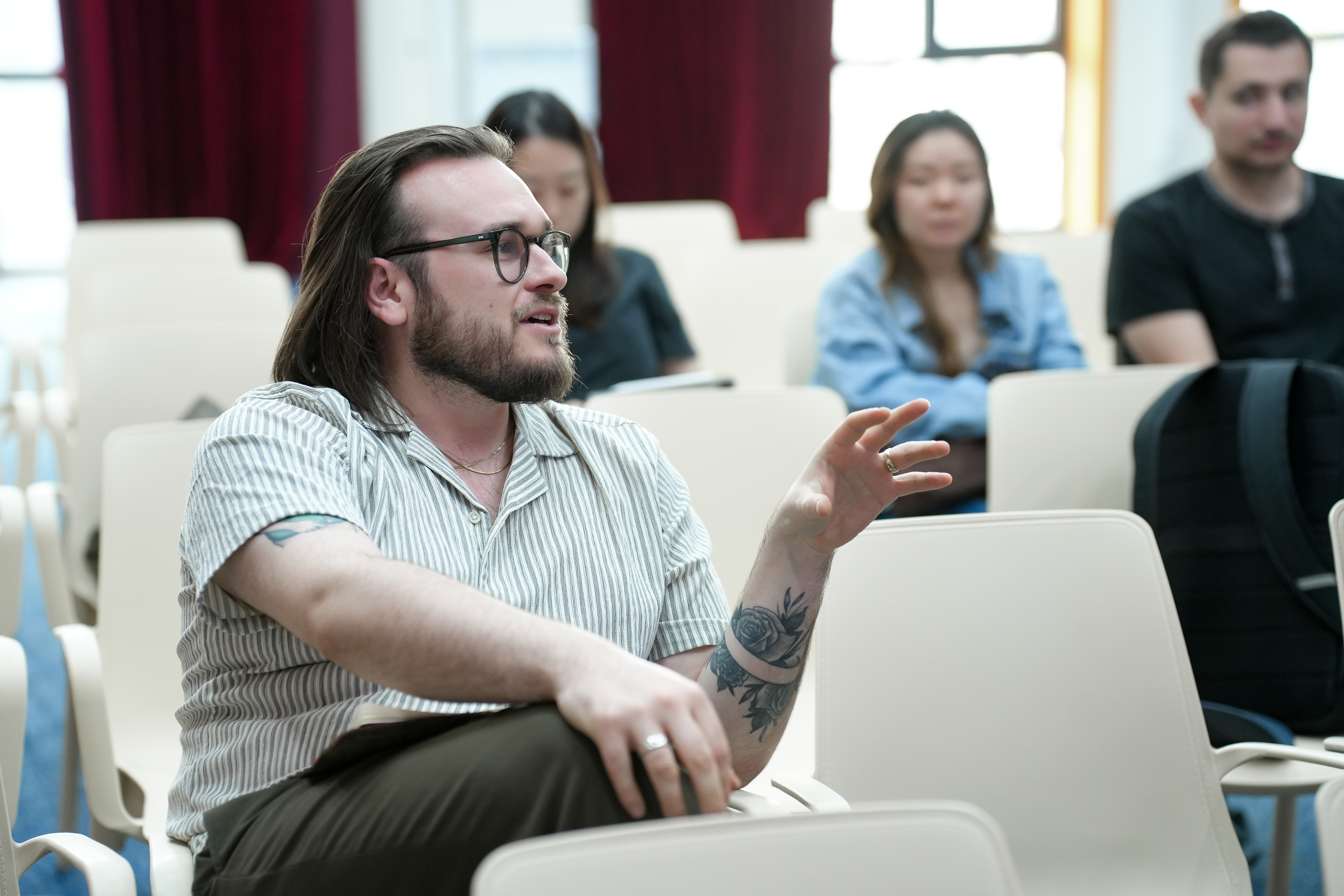
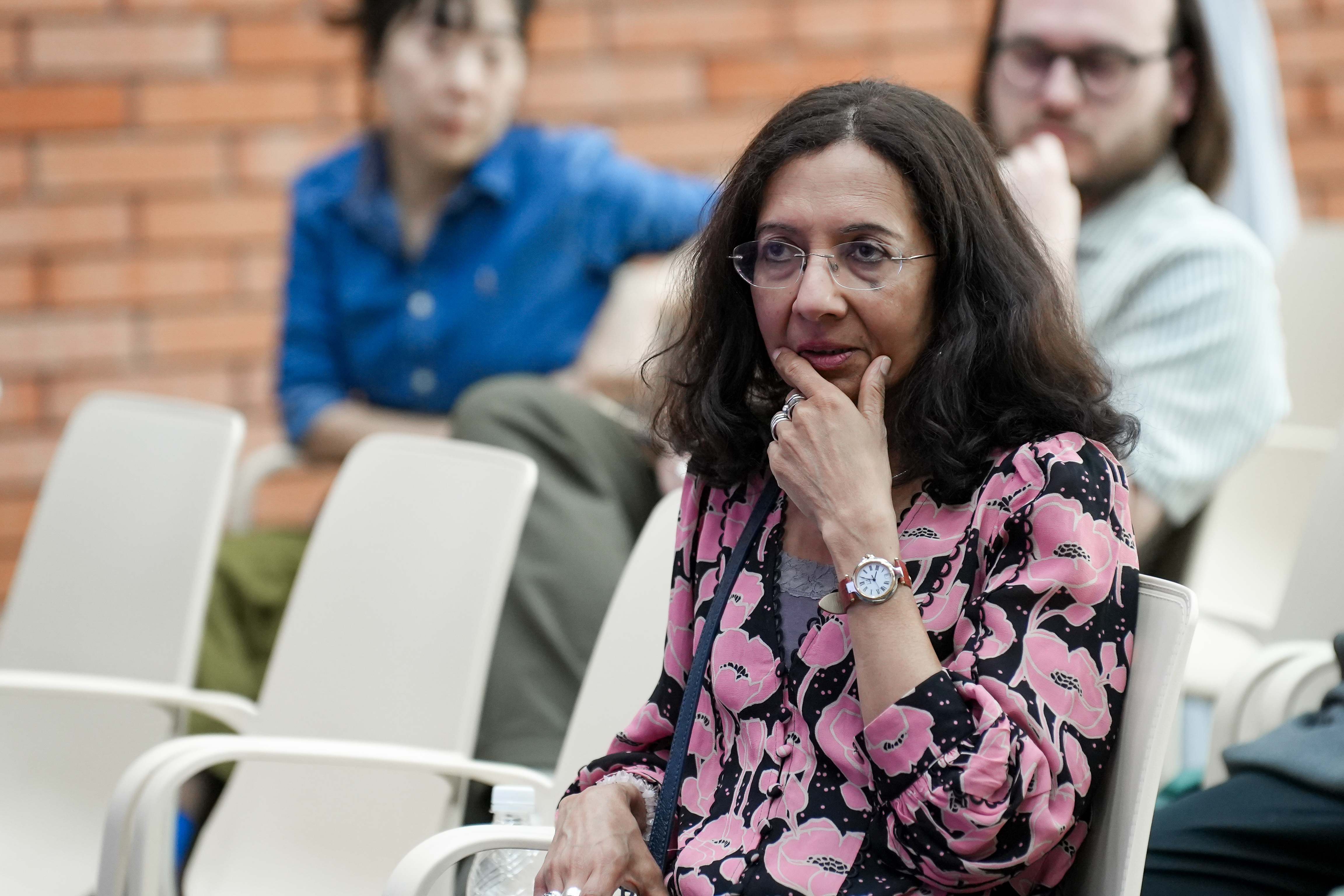
The School of Oriental and African Studies once again hosted its public lecture in AUCA MakerSpace, bringing together scholars to present and discuss their latest academic findings. The event continues to serve as an important platform for critical dialogue on key socio-political and cultural developments in Central Asia and beyond.
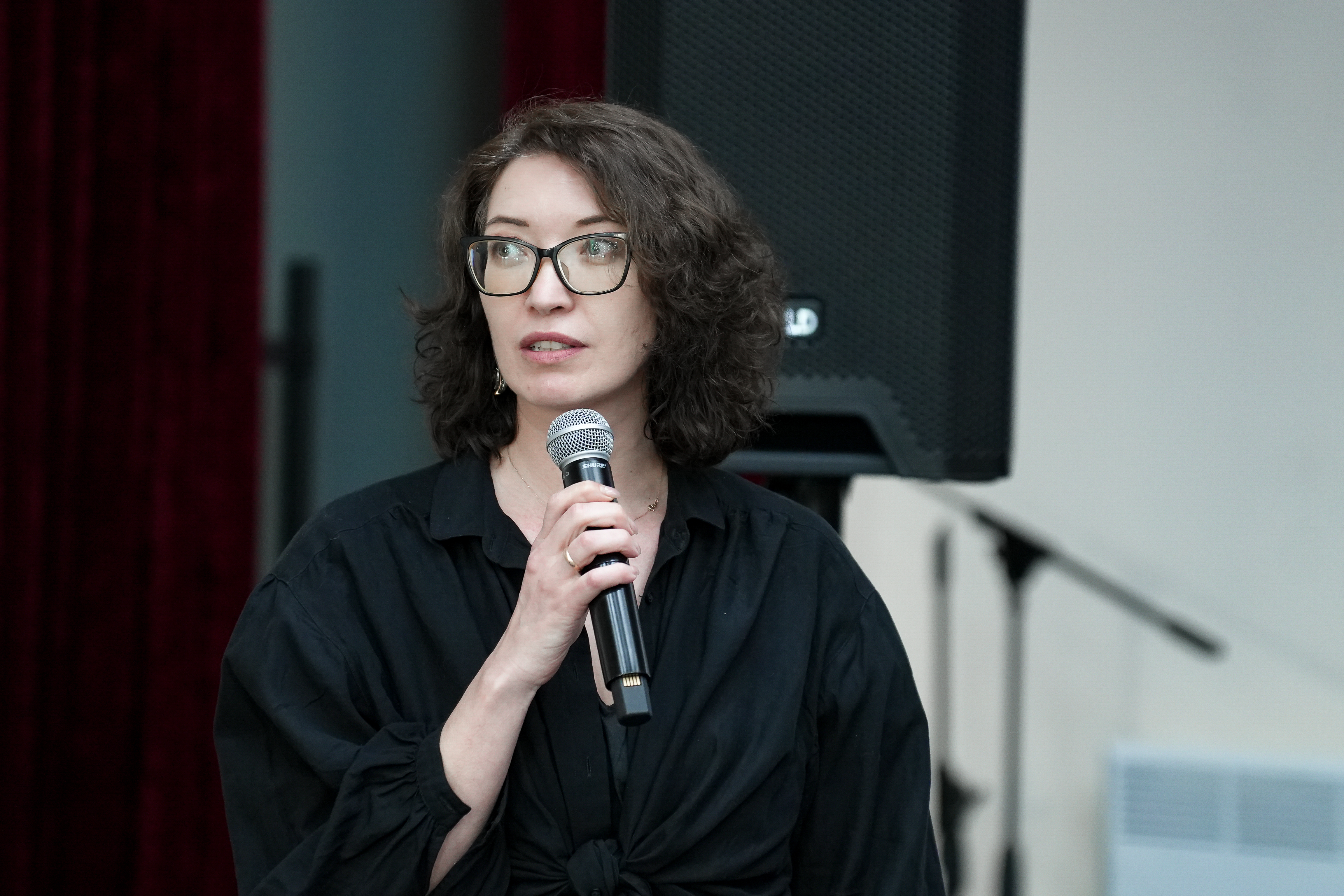
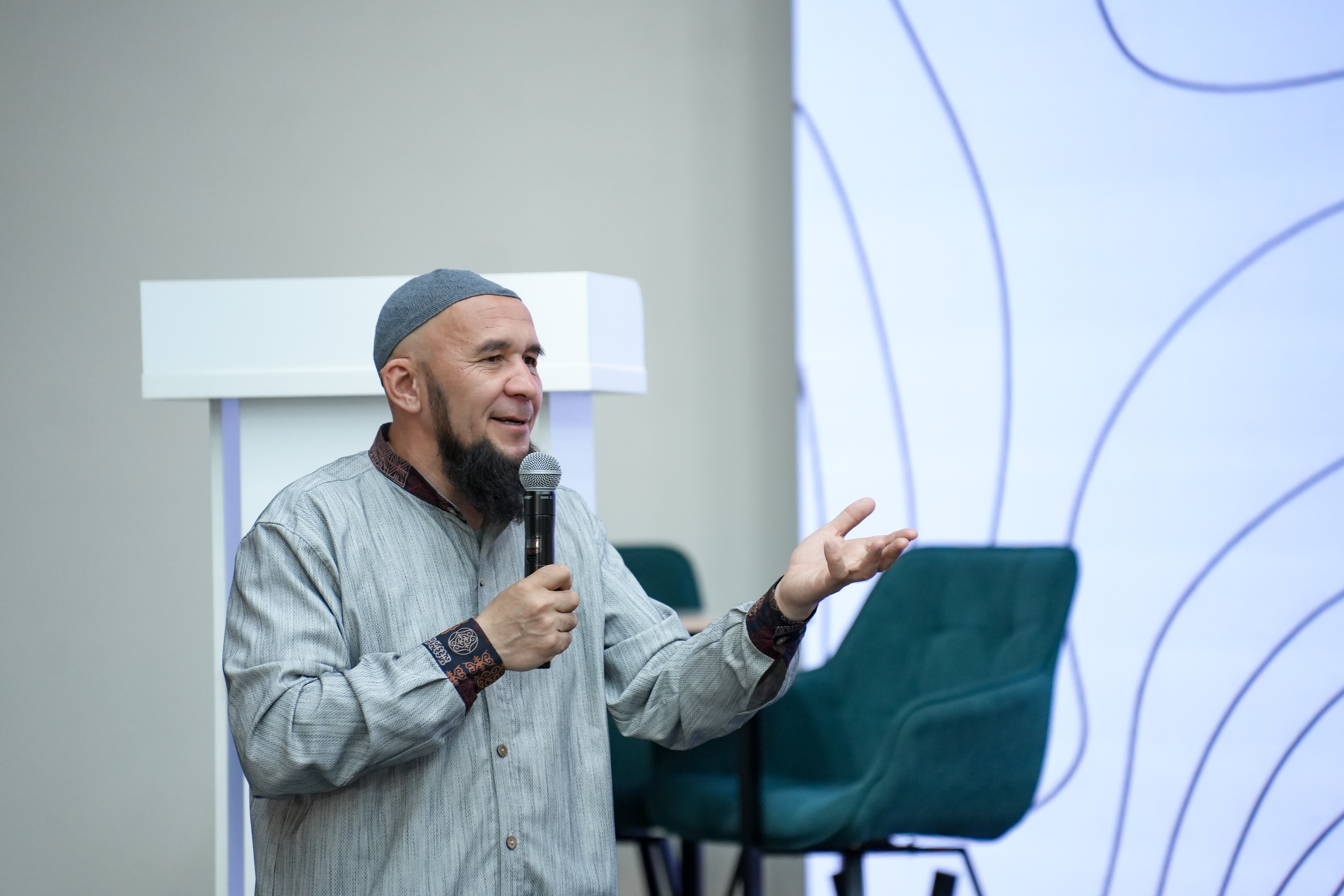
This year, the public lecture featured presentations by three speakers, each addressing pressing regional issues from distinct disciplinary perspectives.
Nargiza Muratalieva presented on Regionalism in Central Asia, outlining the historical trajectory and key milestones of regional integration. Her talk covered the establishment of regional frameworks such as OCAS and the emergence of the C5 format, alongside a comparative analysis of nominal GDP across the region. Particular attention was given to the challenges of fostering a cohesive regional identity, including the absence of a unified strategic integration plan, limited implementation of intergovernmental declarations, and ongoing infrastructure fragmentation.
Indira Aslanova explored State–religion relations in Central Asia, focusing on the balance between national security and religious pluralism. Her presentation examined recent estimates of religious demographics (2024–2026), the evolving concept of national security, and reforms within the religious sphere. She also addressed legal frameworks surrounding extremism and efforts to counter radicalization, while highlighting the role of cultural narratives and the systemic challenges affecting freedom of religion and belief in the region.
Emil Nasritdinov introduced the concept of Nomadic Urbanism, offering a critical perspective on contemporary urban development. His talk examined trends such as the ornamentalization of urban design, deforestation linked to infrastructure expansion, and the emergence of new terminology shaping urban discourse in Central Asia.
The lecture reaffirmed the importance of interdisciplinary research in addressing complex regional dynamics and provided valuable insights for students, researchers, and practitioners engaged in the study of Central Asia.